We draw from a range of evidence-based therapies to support people navigating grief, loss, trauma, mental health difficulties and major life transitions. These approaches help us understand your emotional world, strengthen your capacity to cope, and make meaning of experiences that may have felt overwhelming or destabilising. Together, we choose the modalities that best fit your needs, your pace and your nervous system.
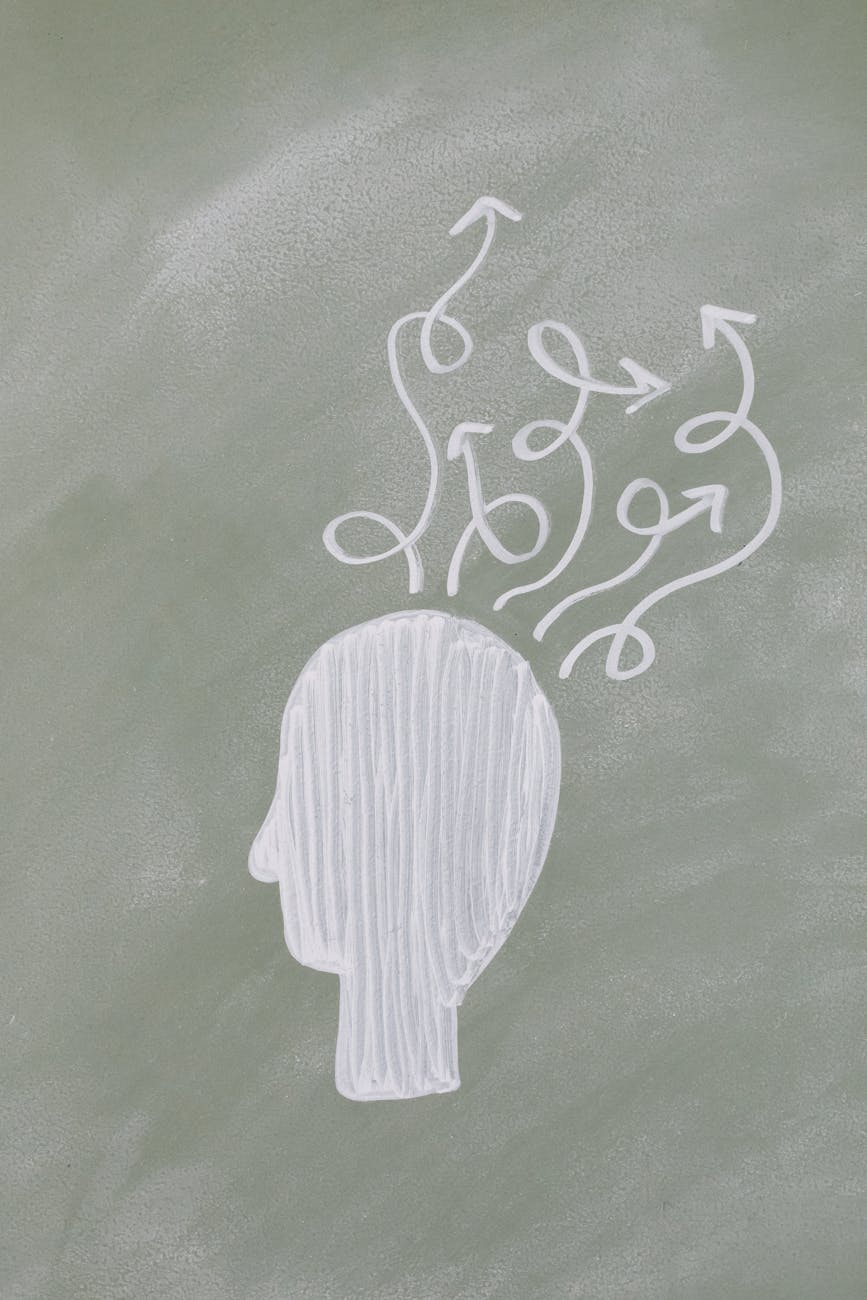
Cognitive Behavioural Therapy (CBT)
CBT helps you understand the connection between thoughts, emotions and behaviours. In grief or trauma, these patterns can become rigid or distressing (for example, self-blame, fear of the future, or avoidance). CBT offers practical tools to reduce emotional intensity, challenge unhelpful beliefs and re-establish a sense of control and stability.
Schema Therapy
Schema therapy explores early patterns shaped by unmet needs, trauma or relational wounds. These patterns often resurface during grief or major losses, activating vulnerable or self-critical parts of us. Schema work helps you recognise these modes, respond with compassion and develop healthier ways of relatingto yourself and others; especially when old wounds feel re-opened by current pain.

Eye Movement Desensitisation and Reprocessing (EMDR)
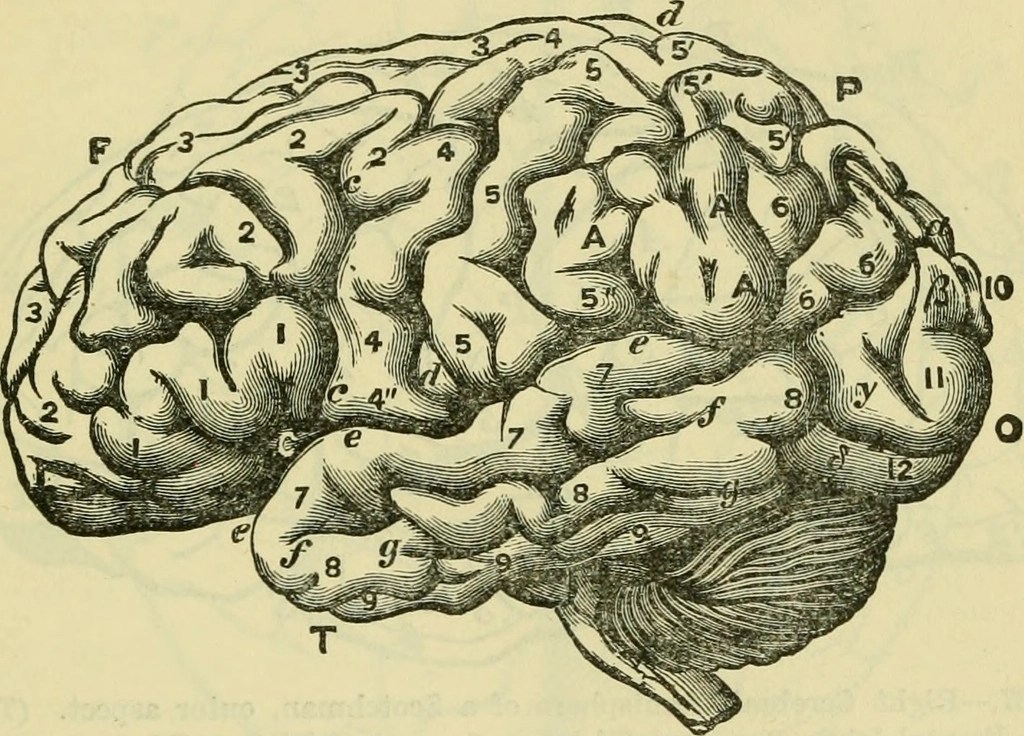
EMDR is a trauma-processing therapy that uses bilateral stimulation to help the brain integrate overwhelming memories. It can be particularly helpful after traumatic or sudden losses, intrusive memories, or when the body continues to hold distress long after an event. EMDR supports healing by reducing the emotional charge of painful experiences while strengthening a sense of safety in the present.
Acceptance and Commitment Therapy (ACT)
ACT helps you make room for difficult emotions without fighting them, while reconnecting with your values and sense of meaning. In grief and trauma, feelings can be intense, unpredictable or deeply uncomfortable. ACT provides gentle tools to hold these emotions with compassion, reduce avoidance and move toward a life that still feels meaningful alongside the pain.
Dialectical Behaviour Therapy (DBT)
DBT focuses on emotional regulation, distress tolerance and interpersonal effectiveness. Many people experiencing grief or trauma feel overwhelmed by strong emotions or struggle to stay grounded during stress. DBT skills help stabilise your nervous system, reduce impulsive or reactive patterns and support you to navigate relationships with more clarity and confidence.
 Mace Counselling | Psychology